
Before any concrete is poured or framing begins, the most important part of a construction project is often the least visible: the soil beneath the site. Regardless of how well a building is designed, its long-term performance depends on the ground supporting it. Proper soil testing provides the factual data needed to reduce risk, guide engineering decisions, and prevent costly failures later in the project lifecycle.
Below are six key reasons soil testing is an essential first step for residential, commercial, and mixed-use construction projects.
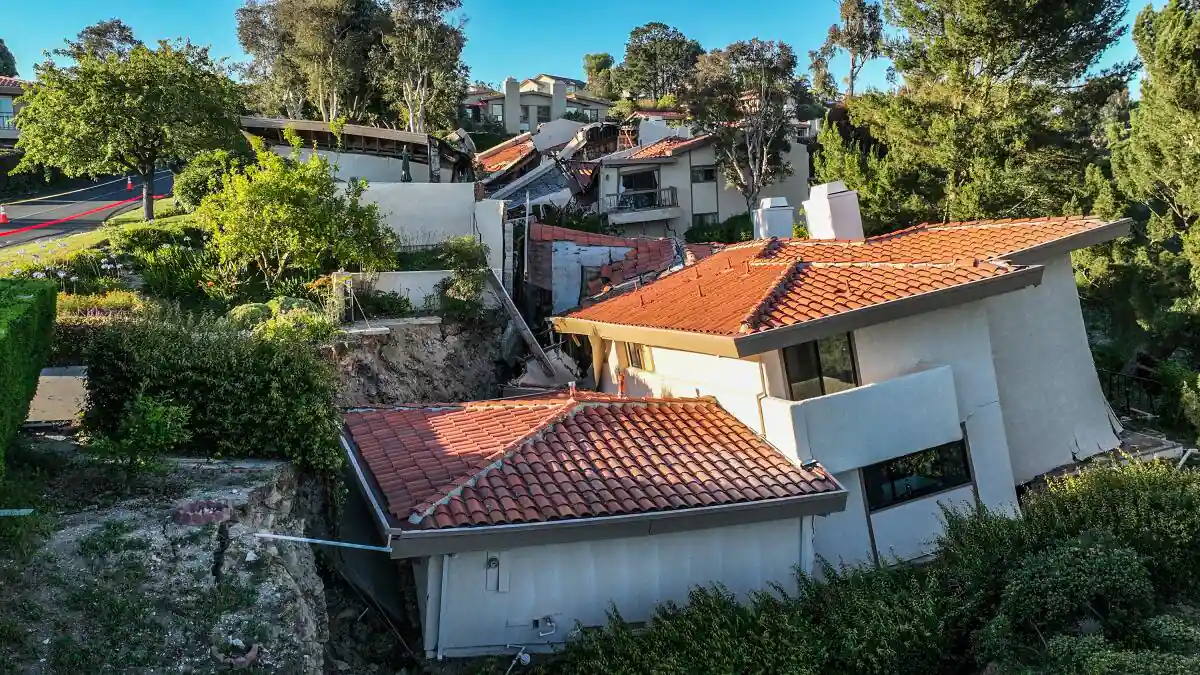
1. Protecting Structural Stability
Not all soils perform the same under load. Variations in density, moisture, composition, and compaction can significantly affect how a structure behaves over time. Without testing, construction may unknowingly proceed on soil that cannot adequately support the intended loads.
Soil testing identifies bearing capacity, compaction levels, and potential settlement risks. These findings help ensure the structure is built on ground capable of supporting footings, slabs, and foundations safely—reducing the likelihood of cracking, movement, or structural distress in the future.
2. Informing Site-Specific Construction Methods
Every site presents unique subsurface conditions. Soil testing provides location-specific data that allows contractors and engineers to adjust construction methods accordingly.
Testing results can influence decisions such as footing depth, foundation type, drainage requirements, or whether soil improvement is necessary. By designing construction methods around actual site conditions—rather than assumptions—projects move forward more efficiently and with fewer unexpected complications.
3. Supporting Responsible Environmental Practices
Modern construction must account for environmental impact and regulatory compliance. Soil testing helps identify permeability, erosion potential, and moisture behavior, all of which affect how a site interacts with surrounding land and water systems.
In some cases, testing may also reveal unsuitable or contaminated materials that require mitigation before construction can proceed. Addressing these concerns early helps protect groundwater, reduce erosion, and maintain compliance with local and state environmental requirements.
4. Reducing Construction Delays and Added Costs
Unforeseen soil conditions are a common cause of construction delays and budget overruns. Discovering weak soils, high moisture levels, or expansive materials after construction has started often leads to redesigns, additional excavation, or remediation work.
Soil testing conducted early allows project teams to anticipate challenges and plan accordingly. This proactive approach helps avoid emergency fixes, change orders, and costly schedule disruptions once construction is underway.
5. Providing Confidence for Owners and Stakeholders
For owners, developers, and investors, confidence in a project starts with understanding site conditions. Soil testing delivers measurable data that supports informed decision-making and demonstrates due diligence.
Clear documentation of soil conditions reassures stakeholders that risks have been identified and addressed. This transparency builds trust and strengthens communication between contractors, engineers, inspectors, and owners throughout the project.
6. Improving Foundation Design and Longevity
Foundation performance is directly tied to soil behavior. Testing results guide engineers in determining footing size, depth, reinforcement requirements, and whether specialized solutions—such as soil stabilization or deeper foundations—are required.
By designing foundations based on verified soil conditions, long-term settlement and movement risks are minimized. The result is a structure better equipped to withstand time, environmental changes, and load demands.
Building on a Reliable Foundation
Soil testing is not simply a preliminary task—it is a critical investment in the safety, durability, and success of a construction project. Accurate soil data allows engineers to design appropriately, contractors to build confidently, and owners to protect their investment.
Working with a qualified soils inspector and geotechnical professionals ensures findings are properly documented and communicated for engineering review and final determination. When soil conditions are understood from the start, projects move forward with fewer surprises and stronger results.